Microsoft's entry into the smartphone market, some believe, was troubled from its earliest stages. That belief was somewhat borne out today in the form of job cuts, and a hefty number of them. The company will be slicing as many as 7,800 jobs—roughly six percent of its total operations—and will also be taking a major accounting charge in the process.
While the job losses would be bad enough, there is also a $7.6 billion accounting charge related to its acquisition of Nokia's handset systems. The accounting charges and job cuts don't herald the end of Microsoft's foray into smartphones, but rather suggest that the company will no longer have a specific focus on growing that market, according to current CEO Satya Nadella. Instead, the company will be focusing on driving the “ecosystem” of Windows products. This does include mobile phones, but only as one product among many.
Indeed, reports suggest that Microsoft's phone business will now have a more clearly focused market: fans of Windows devices in general, those looking for less expensive smartphone options, and business users who want a clearly powerful tool for business with the right kind of security and productivity apps on hand. That's a much smaller market, so in turn, that means a clear hit to Microsoft's mobile ambitions.
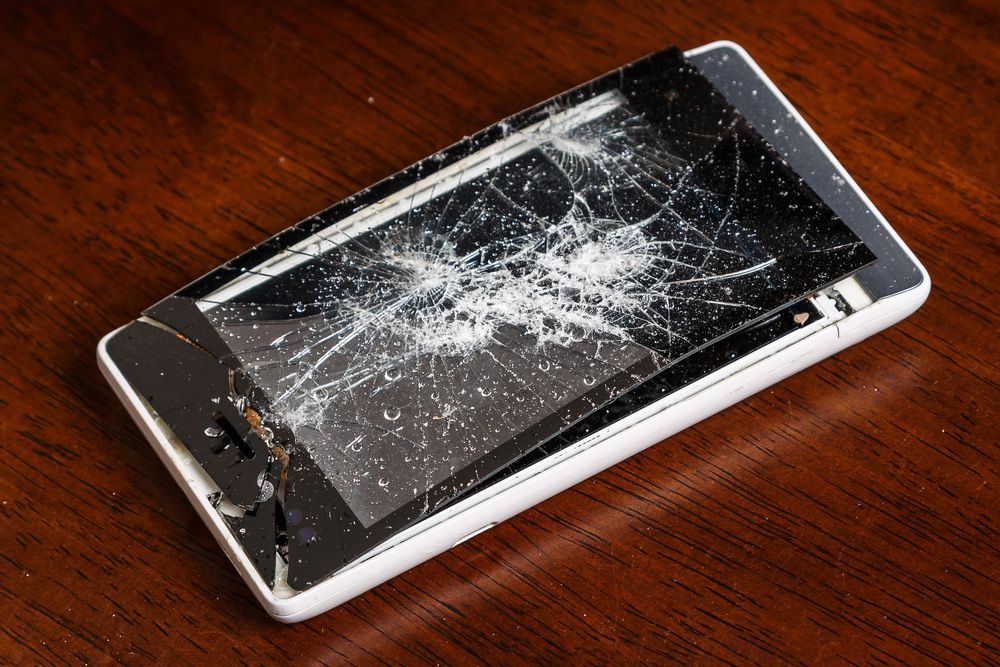 Image via Shutterstock
This follows several key developments for Microsoft, including a late June email designed to serve as a rallying cry to the company's employees but falling flat as it referred to “tough choices” that would need to be made in terms of “things (that) are not working”. Additionally in late June, Microsoft reportedly was in the process of selling its display advertising unit to AOL, a business once expected to do well. But now, the smartphone business is poised to take a $7.6 billion noncash charge, and a cash restructuring charge of between $750 million and $850 million in regards to the layoffs, according to reports.
Essentially, what many had feared has come to pass. Microsoft was walking into a heavily-entrenched mobile market, with most of the players either involved with Apple or Google's Android operating system already. In order for Microsoft to make its presence known as a provider in the field, it was going to have to find a way to differentiate itself sufficiently enough that people actually wanted to leave Apple and Android behind. Microsoft doesn't seem to have threaded the needle on that one, but it did put up a reasonably good showing for a very late-coming entry.
Thus with the business now reduced substantially in scope, and the sad news of a lot of layoffs afoot, Microsoft looks to refocus its efforts. That's good news for Microsoft, especially as the wearable tech market starts to take hold and several other markets start to become more clearly defined. Microsoft is still a major force in several technology markets, and will be for some time to come. Getting rid of what doesn't work and emphasizing what does is a key survival trait, and Microsoft clearly has a focus on the long-term survivability here.
Edited by
Dominick Sorrentino