There was a time when it was important to have a good password for logging on to your work server. I would set up systems that required a new password every six months, which had to be different from your current one. However, once you got home all you needed to do was turn your computer on—no password required. There was a distinction between work and home that no longer exists.
More personal and financial information sits on your smartphone than any home computer from a decade ago. The option of being able to bring your own device (BYOD) to work has doubled the threat since a breach of your device can now offer both personal and work information to a hacker.
Because of this, we are being required to strengthen our passwords, use different passwords for various applications and change them more often. There was a time when I could remember every single phone number that I ever dialed. Once I wrote down a number, it was etched in my brain and I could dial it anytime from anywhere.
Today, most consumers have a mobile phone—some in addition to a landline. As such, we use speed or voice dial to connect to everyone. So why then, if we are not expected to remember all of our phone numbers, are we expected to remember all of these passwords? And how can we manage this task? If we write them all down, anyone could potentially see them and they would be useless.
We are watching as personal data is being captured by companies at unprecedented levels. In addition to collecting location information, our mobile devices capture information that can be used by advertisers and marketers based on a variety of factors. The majority of consumers are very careful about sharing their personal information online and when they do they tend to trust established brands.
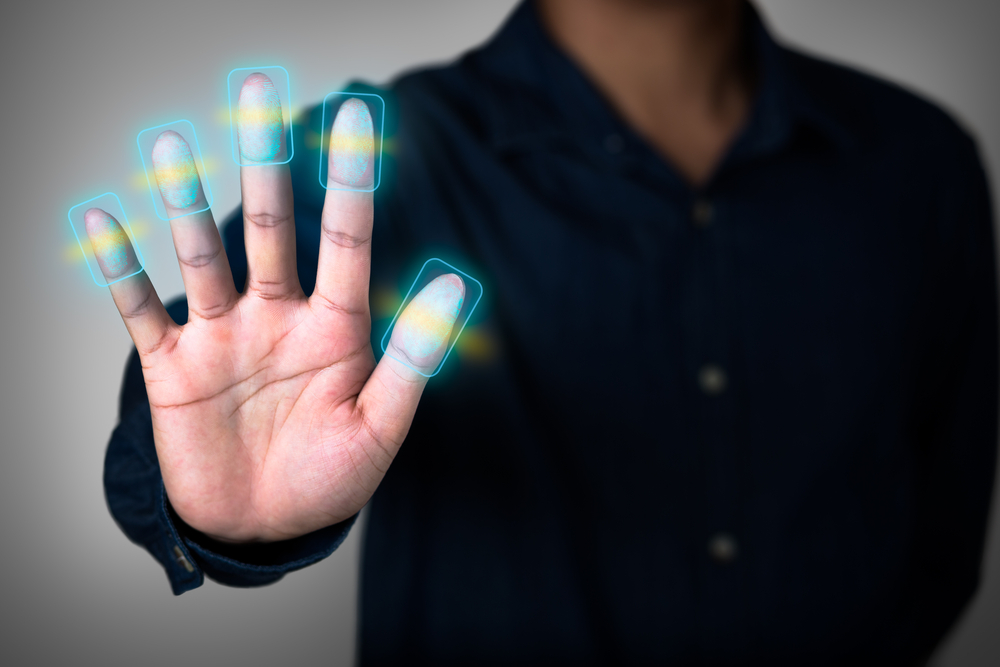 Image via Shutterstock
As all of this information becomes more accessible, as more companies become mobile and conduct a lot more business on the road and as the Internet of Things (IoT) connects more devices on a worldwide level, it becomes even more important to keep our devices and information secure. Are logins with passwords the best choice?
According to Accenture’s managing director of Internet and social business segment, Robin Murdoch, “The widespread practice of typing usernames and passwords to log on to the Internet might soon become obsolete. Consumers are increasingly frustrated with these traditional methods because they are becoming less reliable for protecting their personal data such as email addresses, mobile phone numbers and purchasing history.”
Accenture plc, a multinational management consulting, technology services, and outsourcing company, recently released its findings of a new report entitled “Digital Trust in the IOT Era” in which 24,000 consumers in 24 countries were surveyed about the usage, attitudes and expectations, as they relate to digital device ownership, content consumption, broadband constraints, digital trust and the Internet of Things.
I do not think that it comes as any surprise that 77 percent of the respondents would prefer something other than a username and password option. And while it took a little while to get used to it, I have come to love the convenience of using fingerprint recognition instead of typing in my passcode over 100 times a day!
The numbers show that there is a willingness to use alternatives on a global level. In fact, only 46 percent of the respondents had any confidence in the security of their personal data. Hackers tend to be more ingenious and creative than developers and routinely find clever ways to access almost any information available.
Murdoch went on to say, “As hackers use more-sophisticated and less-obvious methods, passwords are no longer seen as the definitive answers to the security question. Traditional one-step passwords are now being matched with alternative methods using biometric technologies such as fingerprint recognition and two-step device verification. Within the next few years we are likely to see many more consumers embracing these and other alternative methods.”
As emerging markets, along with the IoT begin to proliferate, we will see a huge spike in the amount of information traveling through the Internet, all of which needs to remain secure and safe against unwanted eyes. While security is of paramount importance, a more effective and easier method needs to be used instead of cumbersome passwords and usernames.
Edited by
Dominick Sorrentino