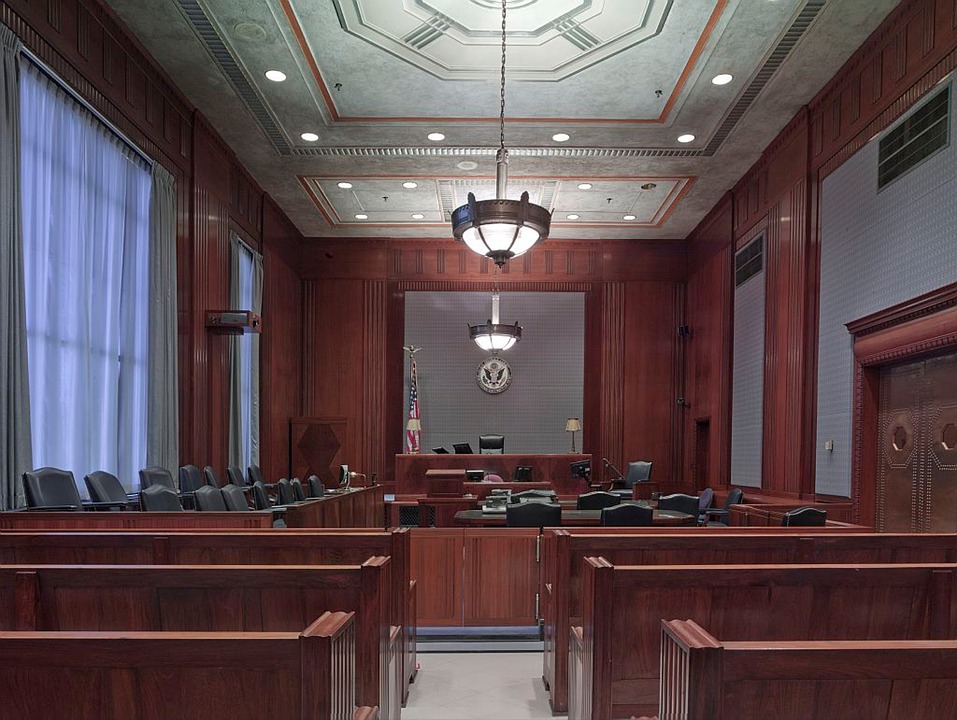
There is no denying that in the court of law, any mistake in communication can end up turning a case over its head. When there are inaccuracies with the recording of statements and audio files, it can be quite easy for a case to become more confusing than it should be. The worst part is that a case could end up punishing the wrong people. In an industry that often deals with life and death, it is no wonder why legal transcriptionists are highly valued.
There are even advancements being made where AI is utilized to take over in courtroom transcription. That said, it can be a little confusing to figure out how things work, especially for those who are just getting into a career in legal transcription. Here are just a few things to consider concerning how courtroom transcription works.
The skills needed
For those who are interested in a career in transcription, a few key skills and qualities are required to get the job done. It includes:
- Knowledge in the use of transcription software
- Proofreading skill
- Computer skills
- Skill with the keyboard, and a fast typing word count
- A serious command of the English language
- Knowledge of legal terminology
- A willingness to work long hours to ensure accuracy
While transcription requires a great deal of effort and passion to perform, legal transcription adds an extra layer of complexity. An understanding of legal terminologies and resources might be optional, but it is necessary if you want to make the most out of a career in legal transcription.
The importance of clarity
While the speed of transcription is crucial to the success of any type of courtroom transcription, the key to success lies in the clarity of transcription work. Courtroom transcription is all about transcribing legal documents filled with audio recordings. The recordings will not always be clear, which is why accuracy is necessary to get the job done. Transcriptionists are also required to file legal documents and take track of necessary deadlines.
The advent of AI
There was a time when the transcribing of legal documents was the responsibility of human transcriptionists - which means no matter how skilled, there is always a margin for error. With the rise of AI through speech and voice recognition, there are plenty of opportunities for enterprising transcriptionists to make the technological leap forward. Without a doubt, transcription software has been extremely useful in dealing with the legal industry, as accuracy and speed are not an issue. When you consider the ramifications of any mistake made during the transcribing process, it is no wonder why so many people are interested in making use of AI in courtroom transcription.
Courtroom transcription is not something to be taken lightly, which is why legal transcriptionists often come highly trained and capable of getting the job done. With the recording and filing of legal documents, legal transcription is a crucial job, and one to be proud of.
